












Wealth management is entering a defining decade. The opportunity is expanding on multiple fronts, driven by rising affluence, intergenerational wealth transfer, growing advisory needs, and deeper convergence between everyday banking and long-term financial planning. AI is accelerating this shift, raising client expectations for personalized, real-time advice while giving banks new tools to deliver it. Yet the operating model of wealth has not kept pace with the market it now serves.
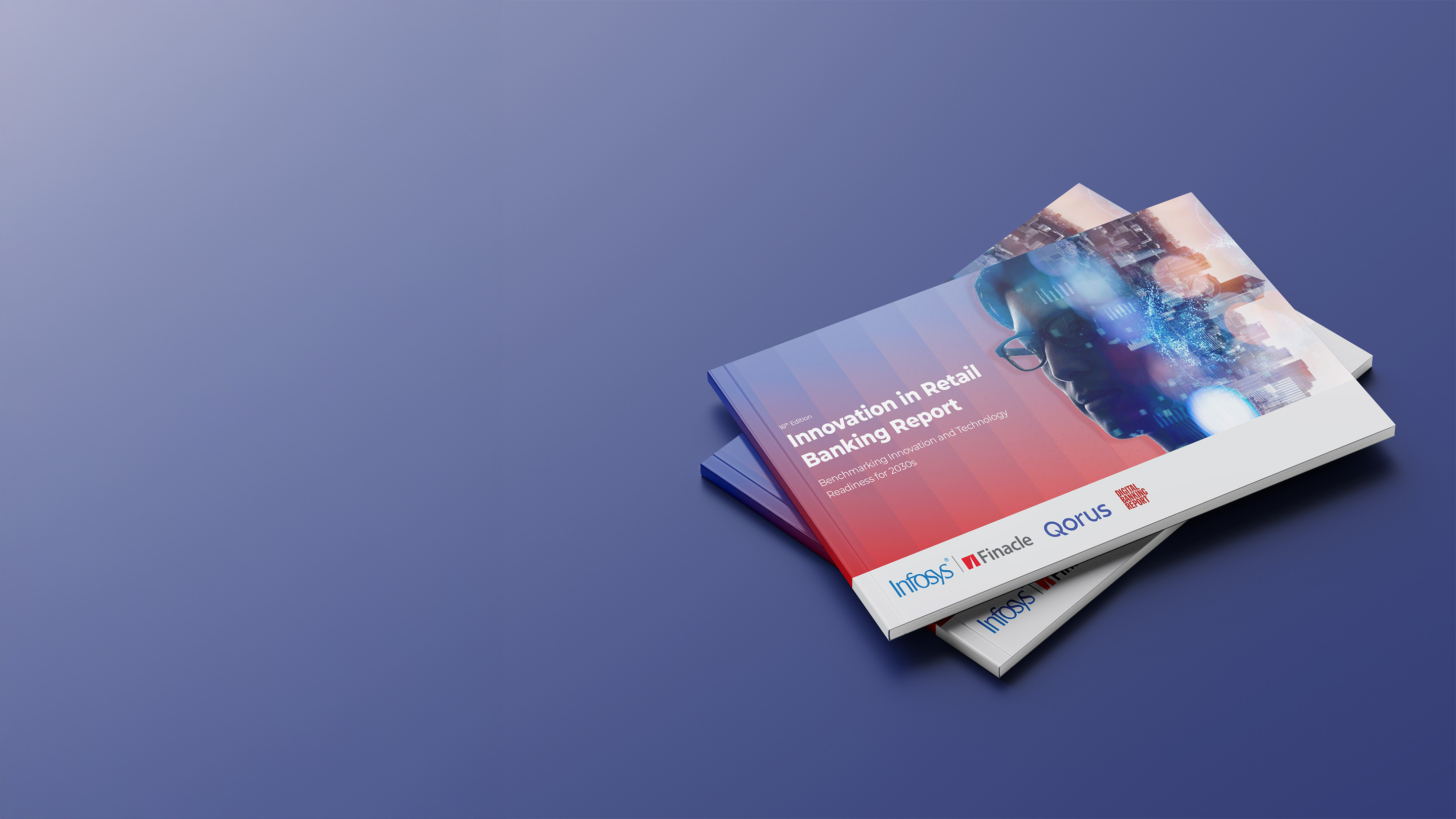
The latest Innovation in Retail Banking Report captures this gap sharply. Only 9% say that digital transformation initiatives in wealth management are deployed at scale and delivering as expected. For universal banks, this is not a technology problem alone. It is a strategic warning. Wealth is a critical growth and profitability engine, but it remains one of banking's least digitally mature businesses, falling far behind lending and deposits.
For bankers, the message is clear. In an era of always-on expectations, stronger regulatory scrutiny, and rising competition, fragmented technology upgrades will not be enough. Banks require a platform-led reset that unifies advice, products, and governance, providing an elevated client experience without compromising trust.
Traditional Wealth Models Are Reaching Their Limit
A new generation of affluent and high-net-worth clients is reshaping wealth management. This includes tech entrepreneurs, higher-earning gig workers, digitally native professionals, and beneficiaries of a massive intergenerational wealth transfer expected to unfold over the next two decades.
But the change is not only demographic. It is also behavioral. Millennials and Gen Z clients expect wealth experiences to be transparent, personalized, mobile-first, and responsive in real time. They want advice that aligns with their goals, values, liquidity needs, risk appetite, and life stage. They compare wealth journeys not only with other banks, but with the best digital experiences they use every day.
At the same time, regulatory expectations around suitability, transparency, product governance, and advice quality continue to rise. This creates the central tension for banks - innovate fast, but do so without weakening discretion, control, or confidence.
That is why digitizing the front end is not enough. Most banks already have portals, apps, dashboards, and basic self-service. The real problem sits deeper. Advisory workflows remain disjointed. Client data is distributed across legacy booking systems, CRM tools, product engines, and reporting platforms. Relationship managers often work across multiple interfaces and manual processes. Clients experience breaks between everyday banking, investments, insurance, and planning.
In this environment, trust cannot be scaled through better screens alone. It must be engineered into the operating model.
Making Trust Scalable by Design
Many banks are improving isolated touchpoints while leaving advisory workflows, data quality, suitability controls, product governance, and operational design largely unchanged. That creates digital activity without digital maturity. 75.7% of leaders cite the challenge of innovating without compromising trust, the answer is not slower innovation. It is a decisive shift from fragmented digital upgrades to a wealth operating model where trust, governance and scale are built in from the start.
Some forward-looking banks are already taking a more integrated path. HDFC Bank in India, for example, integrated offshore and domestic wealth management divisions, strengthening private banking operations across four countries and seven asset classes. This integration created the foundation for consistent advice, governance, and service quality across markets and client segments.
Axis Bank’s Burgundy proposition offers another example. By strengthening wealth management capabilities and streamlining operations to expand into regions with high-net-worth individuals, the bank has treated operational discipline as a growth lever. In wealth management, this distinction matters. Service consistency, advisor effectiveness, and governance quality are not just back-office concerns. They are central to client trust.
The Future of Wealth Will Be Embedded in Everyday Banking
According to the report, 68.3% of respondents believe integrated ecosystems or singular platforms for retail banking and wealth management will drive meaningful consolidation by 2030. In practical terms, clients will increasingly manage savings, investments, credit, payments, insurance, and protection through one connected experience.
This will change the nature of advisory. Wealth will move from periodic portfolio reviews to continuous engagement. Advice will become more contextual, triggered by life events, cash flow patterns, market movements, liquidity needs, and goal progress. The relationship manager will remain critical, but the advisory model will be increasingly supported by AI, data and insights, and scenario guidance.
For banks, this convergence raises the bar. A fragmented wealth stack cannot support holistic advice at scale. Unified data, modular product capability, consistent governance, and integrated workflows become essential.
The Wealth Stack Will Decide the Winners
The report is blunt on one point - wealth technology is not yet ready for the 2030 convergence vision. Modernization remains uneven, and legacy platforms continue to limit scalability, speed, and innovation.
Cloud readiness is a major constraint. With 55.4% of respondents rating cloud-native adoption in wealth management below 50%, many banks risk being trapped in incrementalism. They may improve individual features, but struggle to scale new propositions, integrate partner ecosystems, or orchestrate journeys across banking, investment, and insurance.
This gap matters because modern wealth requires a different architecture. Banks need modular platforms, API-first integration, unified data, embedded governance, and the ability to launch cross-product propositions with speed and control. Without that foundation, banks will find it hard to compete with digital-native platforms, wealth-as-a-service providers, and integrated financial ecosystems.
Three Differentiators Separate Digital Wealth from Modern Wealth
End-to-end digitization of the wealth lifecycle. Banks must move beyond digital channels and redesign the full value chain, from onboarding and risk profiling to portfolio construction, servicing, reporting, and review. This reduces manual effort for relationship managers, improves operational consistency, and enables compliant advice at scale.
Integrated propositions across banking, investment, and protection. Margin finance embedded into trading journeys, life-stage-based bancassurance, institutional-grade custody, and broader portfolio-linked protection products all depend on modular product engines and integrated workflows.
AI-driven hybrid advisory and personalization. AI can support advisors with portfolio insights, scenario analysis, next-best actions, and more relevant engagement. It can also help clients access goal-based planning and self-directed advisory journeys.
Conclusion
For decades, banks have relied on brand strength, relationship depth, and balance sheet trust to defend their wealth franchises. Those advantages still matter, but they are no longer enough. In today’s always-on era, trust must be delivered continuously through data, advice, experience, controls, and execution.
The risk for banks is for wealth management to become disconnected from how clients now manage their financial lives. As wealth converges with everyday banking, institutions that continue to modernize in fragments will struggle to deliver relevance at scale and protect client relationships from more integrated competitors.
The next phase of wealth leadership will belong to banks that treat modernization as a business-model reset, not a channel upgrade. Those that build integrated, AI-enabled, governance-first wealth platforms will define how trust is scaled in the next era of wealth banking.


Let’s Discuss
Fill out the form below and we will get back to you shortly. Alternately, you can also contact our regional offices


